
Save on Your Roof Replacement Today
Roof Repair vs. Replacement: Make the Right Call for Your Home
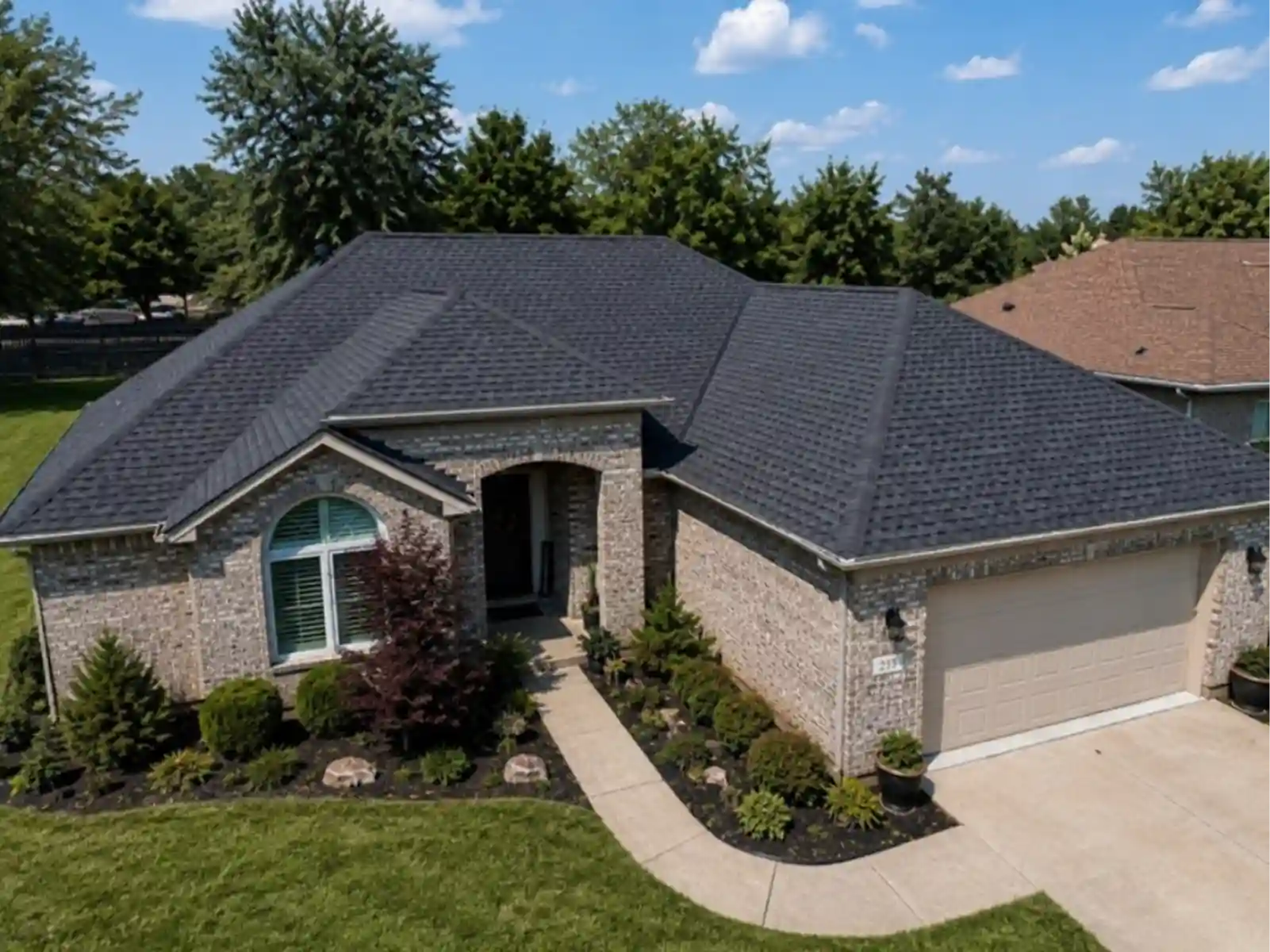
Warning Signs That Demand Your Attention
The condition of your roof speaks loudly if you know what to look for. Most asphalt shingle roofs in Cypress, TX carry a 20 to 30 year lifespan, but our intense summer heat and occasional hail storms accelerate wear faster than manufacturers often anticipate. If your roof has celebrated its twentieth birthday, every inspection becomes more critical.
Minor damage typically presents as isolated issues: a handful of missing or curled shingles after a storm, localized granule loss in high-sun areas, or small leaks contained to one section of your attic. These situations often qualify for targeted repairs, especially if the underlying decking remains sound and the majority of your shingles still lie flat and intact. A repair makes financial sense when the affected area covers less than 30 percent of your total roof surface and the structure beneath shows no signs of rot or sagging.
Replacement becomes the only prudent path when damage spreads across multiple roof planes, when you notice daylight through your attic boards, or when interior water stains appear in several rooms simultaneously. Widespread shingle curling, significant granule loss that exposes the asphalt layer, or a roof age exceeding 25 years all point toward full replacement. The industry guideline holds firm: if repair costs exceed 30 percent of replacement costs, invest in the new roof. That threshold protects you from pouring money into a failing system that will demand replacement within two years anyway.
Sagging rooflines, visible dips between rafters, or spongy spots when you walk the roof signal structural compromise that no repair can address. These conditions require immediate professional evaluation because they threaten not just your roof but your home’s entire framing system.
What You’ll Actually Spend
Budget clarity transforms anxiety into action. In the greater Houston area, basic shingle repairs for storm damage typically run between $350 and $1,200, depending on accessibility and the number of shingles requiring replacement. Flashing repairs around chimneys or valleys cost $400 to $900, while addressing a small leak with isolated decking damage might reach $800 to $1,500. These figures assume straightforward access and standard pitch roofs common throughout Cypress neighborhoods.
Full roof replacement operates on a different scale entirely. A typical 2,000 square foot home with architectural shingles, standard pitch, and one layer of existing material costs between $8,500 and $14,000 in our market. That price includes tear-off, disposal, new underlayment, ice and water shield in valleys, new shingles, and updated flashing. Steeper pitches, multiple stories, or premium materials push costs higher. Clay tile or metal roofing systems can double or triple that investment, though they deliver 50-plus year lifespans that offset the initial expense.
Hidden costs catch homeowners off guard. Most Cypress projects require a permit ranging from $150 to $400, and final inspection fees add another $75 to $150. If your home still carries two or more layers of old shingles, removal and disposal fees increase by $1,000 to $2,500. Rotten decking discovered during tear-off runs $60 to $85 per sheet of plywood replaced, and fascia board replacement adds $8 to $15 per linear foot. Always request a detailed written estimate that itemizes these potential variables.
Texas weather patterns create unique cost considerations. Our hail-prone climate means many homeowners pursue insurance claims that cover replacement costs minus the deductible. In those scenarios, choosing replacement over repair often makes financial sense because your out-of-pocket expense stays fixed at the deductible amount regardless of whether you repair or replace. Working with contractors experienced in insurance documentation, like the team at Prime Struxture, ensures your claim reflects the full scope of damage.
The Decision Matrix That Works
Smart decisions flow from clear criteria, not guesswork. Start by establishing your roof’s true age using permit records, prior inspection reports, or even asking longtime neighbors who might remember when the previous owners installed it. If the roof sits younger than 12 years old and damage appears localized, repair almost always wins. Between 12 and 20 years, evaluate the extent carefully using the 30 percent rule mentioned earlier. Beyond 20 years, lean heavily toward replacement unless you plan to sell within two years and simply need a Band-Aid solution to pass inspection.
Warranty considerations shift the equation significantly. Many shingle manufacturers void material warranties if you layer new shingles over old ones or if previous repairs used non-approved methods. A full replacement with proper installation restores full warranty protection, typically 25 to 30 years on materials and 10 years on workmanship when installed by qualified professionals. That protection delivers real value if you plan to stay in your home long-term.
Your future plans matter more than most homeowners realize. If you intend to sell within three years, a well-executed repair that eliminates leaks and restores curb appeal might serve you better than a $12,000 replacement that you will not enjoy long enough to justify. Conversely, if this home represents your 10-year-plus plan, replacement pays dividends in avoided emergency repairs, improved energy efficiency from modern underlayment systems, and the confidence that comes from knowing your home stays protected through the next decade of Texas weather.
Energy efficiency enters the calculation for anyone concerned about cooling costs. Modern roofing systems incorporate radiant barriers and enhanced ventilation that older roofs lack. In Cypress, where summer attic temperatures routinely exceed 140 degrees, upgrading to a cool-roof shingle system and proper ventilation can reduce cooling costs by 15 to 25 percent. That savings compounds over 20 years, effectively subsidizing a portion of your replacement investment. Before finalizing your decision, schedule an inspection that evaluates not just damage but also energy performance and ventilation adequacy.
Timeline Realities for Both Paths
Understanding project duration helps you plan around disruption and weather windows. A straightforward shingle repair covering 20 to 50 square feet typically completes in three to five hours, often scheduled as a half-day visit. Flashing repairs or small leak investigations take four to six hours because proper diagnosis requires careful inspection and sometimes exploratory removal of shingles to trace water pathways. Most repair projects finish in a single day, weather permitting, with minimal disruption to your household routine.
Full roof replacement operates on a different timeline entirely. For a typical single-family home in Cypress, expect two to four days from start to finish. Day one involves tear-off, disposal, and installation of underlayment and ice-and-water shield. Days two and three cover shingle installation, flashing, and ridge cap work. Day four, if needed, handles final inspections, cleanup, and magnetic sweeps to collect stray nails from your driveway and landscaping. Larger homes, complex rooflines, or tile and metal systems can extend the timeline to five or even seven days.
Weather introduces the greatest variable. Summer heat in Texas makes early morning starts essential; most professional crews begin at 7:00 a.m. to maximize cooler hours and protect worker safety. Afternoon thunderstorms during spring and early fall sometimes pause work mid-day, extending a three-day project to four or five calendar days. Reputable contractors, including our team, monitor weather forecasts closely and will delay start dates rather than risk installing materials in rain or high winds that compromise installation quality.
Permit and inspection requirements add administrative time but protect your investment. Cypress typically processes roofing permits within three to five business days. Final inspections usually occur within 48 hours of contractor request, though scheduling during peak storm season can push that to four or five days. Working with contractors experienced in local code requirements keeps these timelines tight and prevents delays that leave your home exposed.
Getting the Assessment You Need
Professional inspection removes guesswork and prevents costly mistakes. A thorough roofing assessment examines shingle condition across all roof planes, checks flashing integrity around penetrations, evaluates ventilation adequacy, inspects attic spaces for water stains or mold, and tests the structural soundness of decking. This process typically takes 45 to 90 minutes and should conclude with a written report that includes photographs, damage documentation, and clear recommendations with cost estimates for both repair and replacement options.
Timing your inspection strategically saves money and stress. If you spot warning signs like granules in gutters, curled shingles, or interior water stains, schedule an evaluation immediately before minor issues cascade into major damage. Even without obvious symptoms, homeowners benefit from biennial inspections once a roof reaches 15 years of age. After significant hail or wind events, request an inspection within two weeks to document damage while it remains fresh and before subsequent weather obscures the cause.
Insurance considerations make professional documentation essential. If storm damage appears significant, most carriers require detailed estimates from licensed contractors before approving claims. Inspectors familiar with insurance requirements photograph damage from multiple angles, measure affected areas precisely, and provide itemized estimates that match insurance industry standards. This documentation accelerates claims processing and maximizes your settlement. Our team has guided hundreds of Cypress homeowners through insurance claims, translating technical damage into clear documentation that adjusters respect.
The right inspection partner makes all the difference. Look for contractors who provide free, no-obligation assessments, maintain current licensing and insurance, and demonstrate willingness to educate rather than pressure. At Prime Struxture, we believe informed homeowners make better decisions. Our inspections focus on facts, options, and honest guidance tailored to your specific situation and budget. Whether your home needs a $400 repair or a $12,000 replacement, you deserve clarity. Contact us today to schedule your free assessment and gain the confidence that comes from knowing exactly where your roof stands and what your best options look like moving forward.
