Save on Your Roof Replacement Today
10 Essential Tips for a Smooth and Stress-Free Home Renovation
Establish a Realistic Budget and Timeline
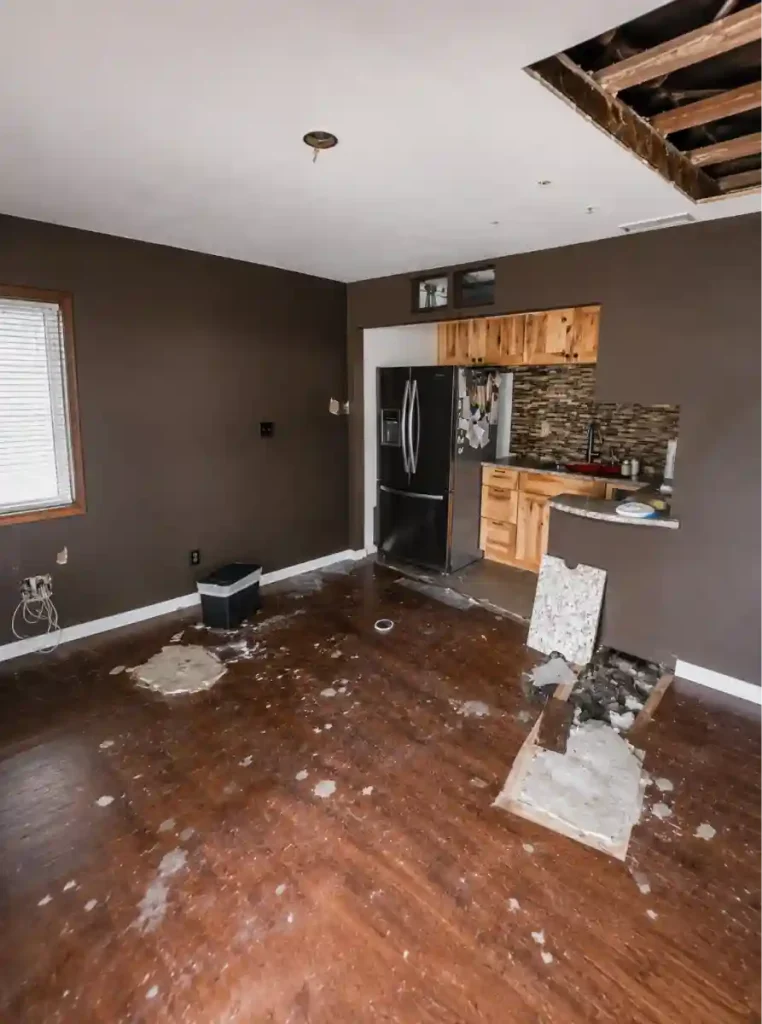
One of the most critical steps in any home renovation is setting a realistic budget before work begins. Homeowners in Cypress often underestimate the true cost of materials, labor, and unexpected complications that arise during construction. Begin by researching current material prices and labor rates specific to the Texas market, where supply chain fluctuations and seasonal demand can significantly impact costs. Build in a contingency fund of at least 15-20 percent to cover unforeseen issues such as hidden water damage, outdated electrical systems, or structural repairs that only become visible once walls are opened.
Timing is equally important. Texas weather patterns, particularly the intense summer heat and sudden storm activity common in the Cypress area, can delay outdoor projects like roof installation or patio extensions. Schedule major exterior work during the milder months of spring or fall when temperatures are more manageable and crews can work efficiently. For interior projects like bathroom or kitchen remodeling, consider how long you can realistically live without access to essential spaces. A rushed timeline often leads to poor decision-making and costly mistakes.
When planning your budget, prioritize structural and safety-related improvements first. A failing roof or outdated plumbing system should take precedence over cosmetic upgrades. If your roof shows signs of wear such as missing shingles, granule loss, or interior water stains, addressing these issues early prevents more extensive damage to insulation, drywall, and framing. Allocating funds for quality materials and skilled labor on foundational elements ensures your renovation investment protects your home for years to come.
Choose the Right Materials for Texas Climate
Material selection can make or break a renovation project, especially in the challenging climate conditions found throughout the Houston metro area. Cypress experiences extreme heat, high humidity, intense UV exposure, and periodic severe weather including hail and wind-driven rain. These factors place extraordinary stress on building materials, making it essential to choose products engineered to withstand these conditions rather than simply selecting the most affordable option.
For roofing projects, impact-resistant shingles rated for wind speeds common to our region provide superior protection against storm damage. These materials meet stringent testing standards and often qualify homeowners for insurance discounts. Additionally, consider reflective roofing products that reduce heat absorption and lower cooling costs during the brutal summer months when attic temperatures can exceed 150 degrees. Proper ventilation and underlayment materials are equally important, as trapped heat and moisture accelerate deterioration of roof decking and shingles from the inside out.
Interior renovations require similar attention to climate considerations. In bathroom remodeling projects, moisture-resistant drywall and mold-inhibiting materials prevent the growth issues that plague homes in humid environments. Kitchen upgrades benefit from cabinetry finishes that resist warping and fading in fluctuating temperature conditions. For outdoor living spaces like patios and decking, choose materials that handle thermal expansion without cracking and resist fading from constant sun exposure.
Working with professionals who understand local material performance is invaluable. They can recommend products with proven track records in Texas conditions and identify which budget adjustments will deliver the greatest long-term value. Quality materials may increase upfront costs, but they dramatically reduce maintenance expenses and premature replacement needs, protecting your renovation investment well into the future.
Secure Proper Permits and Inspections
Navigating the permit process is one of the most overlooked aspects of home renovation, yet it protects homeowners from serious legal and financial consequences. Many jurisdictions in the Houston area, including Cypress, require permits for structural changes, electrical work, plumbing modifications, and significant exterior alterations. Skipping this step to save time or money can result in fines, forced removal of completed work, difficulties selling your home, and denied insurance claims if unpermitted work contributes to damage.
The permit process serves an important safety function. Required inspections ensure that structural modifications meet current building codes, electrical systems are properly grounded and load-rated, and plumbing installations prevent contamination and leaks. For roofing projects, permits verify that attachment methods will withstand high winds and that proper flashing techniques prevent water intrusion at vulnerable points like chimneys, skylights, and valley intersections. These inspections catch problems before they become hidden hazards within your walls and ceilings.
Begin by contacting your local building department to understand which aspects of your renovation require permits. Submit applications well in advance of your planned start date, as approval can take several weeks depending on project complexity and department workload. Reputable contractors will handle permit applications as part of their service, drawing on established relationships with local inspectors and knowledge of specific code requirements.
Keep all permit documentation and inspection records with your home’s permanent files. These documents become valuable proof of code-compliant work when you sell your property and can expedite insurance claims if future damage occurs. Additionally, permitted work often increases home value more than unpermitted improvements because buyers can verify the quality and legality of modifications. The modest cost and time investment in proper permitting provides significant protection and value for your renovation project.
Coordinate Trades and Maintain Clear Communication
Successful renovations depend on seamless coordination among multiple trades and clear communication between homeowners and contractors. Even relatively simple projects often require electricians, plumbers, carpenters, and finish specialists working in carefully sequenced stages. Poor coordination leads to scheduling conflicts, wasted materials, and subpar results when one trade’s work interferes with another’s. Establishing a detailed project schedule before work begins helps everyone understand their role and timing in the larger process.
Create a single point of contact for your project, whether that is a general contractor managing all trades or yourself if you are overseeing individual specialists. This person coordinates daily activities, resolves conflicts, and ensures that each phase is properly completed before the next begins. For example, rough plumbing and electrical work must be finished and inspected before drywall installation can proceed. Similarly, roof repairs or replacement should be completed before scheduling interior ceiling work to prevent damage from any unexpected leaks during construction.
Maintain regular communication through scheduled site meetings or progress updates. Address concerns immediately rather than allowing small issues to compound into major problems. Document all decisions, changes, and agreements in writing, including any modifications to the original scope of work. Photographic records of progress at each stage provide valuable documentation if disputes arise and help you remember details about hidden systems like plumbing lines and electrical routing for future reference.
Be realistic about disruption to your daily life. Kitchen remodeling means eating meals differently for weeks. Bathroom renovations require alternative arrangements for basic needs. Roofing work generates noise and vibration throughout the home. Planning ahead for these inconveniences reduces stress and helps you maintain patience when inevitable complications arise. Clear, proactive communication keeps everyone aligned and working toward successful project completion.
Plan for Energy Efficiency and Long-Term Value
Every renovation presents opportunities to improve your home’s energy efficiency and long-term performance, particularly in the Texas climate where cooling costs dominate utility bills. Strategic upgrades during remodeling projects often cost less than retrofitting later and immediately begin reducing monthly expenses while increasing comfort. Focus on improvements that address the building envelope, the barrier between conditioned interior spaces and the outdoor environment.
Roofing projects offer significant energy efficiency opportunities. Proper attic ventilation, including ridge and soffit vents, removes trapped heat that radiates into living spaces and shortens air conditioning equipment life. Quality underlayment provides an additional moisture barrier and thermal break. Reflective or light-colored roofing materials reduce surface temperatures by 50 degrees or more compared to traditional dark shingles, directly lowering attic heat and reducing the burden on cooling systems. These improvements pay for themselves through lower utility bills while extending the lifespan of both your roof and HVAC equipment.
When remodeling kitchens or bathrooms, upgrade to energy-efficient lighting, low-flow plumbing fixtures, and ENERGY STAR-rated appliances. These changes reduce water heating costs, lower electricity consumption, and often qualify for utility rebates or tax incentives. Proper insulation in exterior walls exposed during renovation prevents thermal transfer and reduces drafts. Sealing gaps around windows, doors, and penetrations eliminates air leakage that forces heating and cooling systems to work harder.
Consider how renovation choices affect maintenance requirements and replacement cycles. Durable materials may cost more initially but reduce the frequency and expense of future repairs. Quality installation techniques prevent premature failures that require costly corrections. For homeowners planning to stay in their property long-term, these investments deliver ongoing value through lower operating costs and deferred replacement expenses. If you are considering a new roof installation or major remodeling project, professional assessment can identify which efficiency upgrades will deliver the greatest return for your specific home and budget, ensuring your renovation investment continues paying dividends for years to come.